UPDATE: After a lot of thought, I have decided to swap out all the AI-generated art with entirely new hand-made art created by a human artist.
See the full announcement on Steam: https://store.steampowered.com/news/app/3495400/view/496097685470709562
Original post:
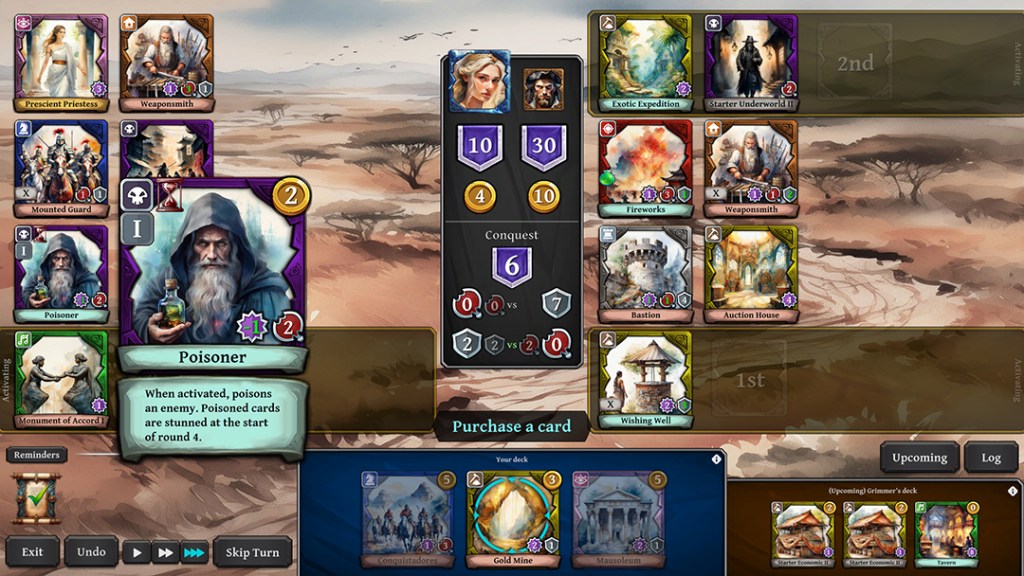
The first thing I’m sure everyone will notice about Bannerlands is that the art style is very different from Age of Rivals. As I’ve been testing it and receiving feedback, I’ve found that some people like it, some people miss the original style, and some people are worried that AI was involved. Here is one piece of feedback that I think perfectly reflects my biggest fears about this change:
“I really don’t like the new AI art look, and feel like it will repel a lot of people who feel similarly to me. The original Age Of Rivals had a perfectly fine art style (though it could have used separate art for each card to help tell things apart better) – but the AI art just appears really generic, and makes me not as excited to play this as I should be after waiting years for a sequel. I know you say on the steam page that you’re adjusting the AI artwork afterward, but it still looks incredibly artificial, and due to the current political climate around AI I feel like this art style might come to define the game, more than the gameplay.”
I’m writing this post to try to explain why I went in this direction.
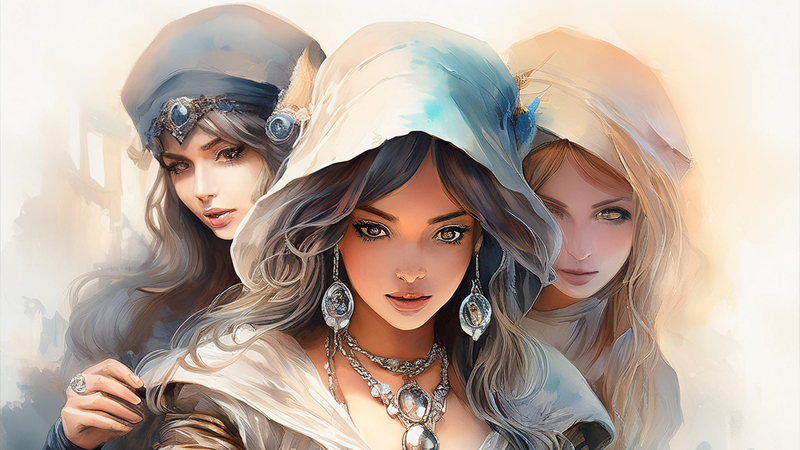
The politics around generative AI are complicated. I know artists who are excited about it and use it as part of their creative process. I know others who are against it and worried about their jobs. I’m sort of in the same boat as a programmer (AI has gotten pretty good at coding), and I can appreciate both sides of the debate.
I’ve heard some people compare AI art to other historically empowering technologies in favorable ways. But I can appreciate that it may be more problematic because there are unique ethical concerns involved, both in how the technology was developed and how it is sometimes used. I’ll try to address that below.
But first, the short answer to why I used the help of AI is that I didn’t feel like I had much of a choice. The biggest single factor people have suggested for why Age of Rivals didn’t get much attention despite very high ratings was the perceived low production value and quality of the visuals (screenshots, trailer, etc…). I know aspects of the gameplay could have been improved as well (and I think Bannerlands does improve many of them), but the visuals very likely turned a lot of people away before they could even judge the gameplay. I witnessed this firsthand anytime I tried to demo it at a live event.
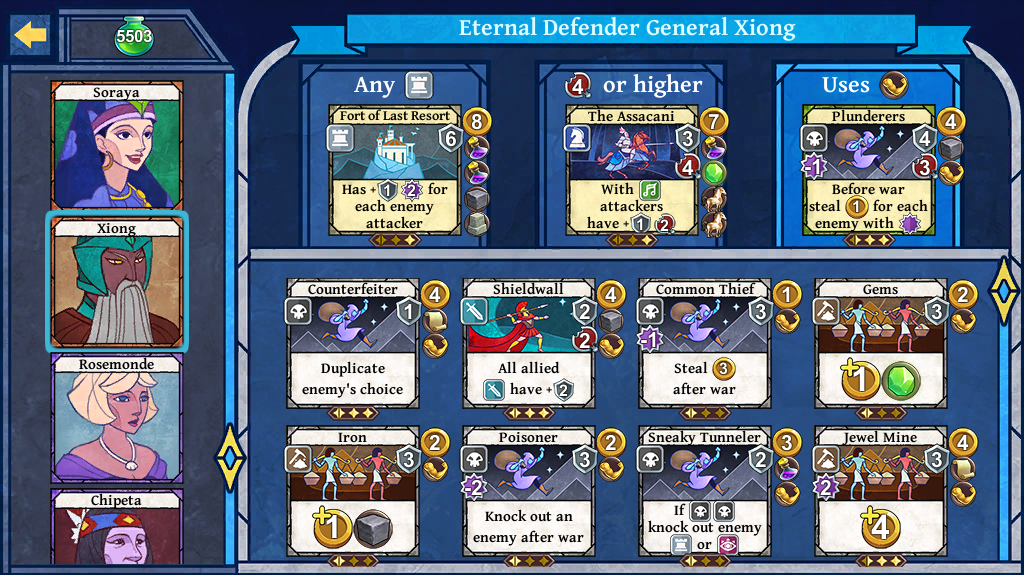
Age of Rivals was the top rated CCG on Kongregate.com for years. It had a 4.9 rating on both iOS and Android, an Overwhelmingly Positive on Steam (these have gone down a bit since I stopped updating the game), mostly positive press, and even some award nominations. But it was very hard to get people to buy it. It was very hard to get streamers to stream it. And it was very hard to market it on social media.
With this combination of great reviews but poor sales, I can only hypothesize that the fault lay mostly in the packaging, not the heart of the game. Even though the art style was charming (to some) and unique, the overall production value was pretty low, and I think probably the single biggest factor was the fact that all the cards had one of only 9 different images. Even the player who wrote the quote above brought up this point.
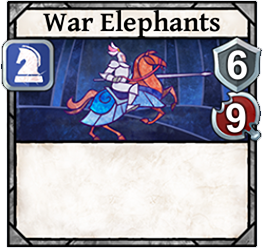
It is hard to market a game update when there is no new art to show off. It is hard to get streamers excited about something that looks so repetitive. And it’s hard to make a compelling trailer or visually distinct screenshots. Many people will judge a game by these things. One of the best ways indie games build up an audience is through the sharing of compelling art, screenshots and gifs. I could never figure out a way to do that with Age of Rivals (as opposed to CCGs that have lots of art, animations and vfx).
So I knew I wanted to do something different for the sequel. I didn’t want to put out another game that would be so difficult to get people to try. But creating compelling art for 300+ cards is very expensive in almost any reasonable art style.
I considered my options:
- I couldn’t afford to fund it myself. I am a solo indie developer, not a AAA studio. The reality is that I make niche games for niche audiences, so I can never really expect them to make a lot of money. I make these games because I love them, not to get rich. I spend 12-18 months of my full time on them, which is already a huge financial cost. Additionally spending my own savings to produce the art would be too risky even for me. In-between making these games, I always go back to a “real job” for a while so I can actually help support my family.
- I have limited artistic ability myself.
- I tried to find a publisher to help fund the art, but was unable to. The publishing climate is very rough right now.
- I tried to find an artist to partner with me on the game. I would happily share the revenue. But I was unable to find someone who would take the same kind of risk as me (work for no guaranteed financial gain for the long time it would take to create all the art).
Then along came generative AI. But it was ethically suspect, and I thought it mostly looked weird. So I didn’t really take it seriously at first. I still had no real plan to make this game, and I was busy with other things (a “real job”).
Then at some point I came across Adobe Firefly. It was definitely not the best AI art generator out there, and it was not easy to use, but it was actually claiming to do things ethically: https://www.adobe.com/ai/overview/ethics.html
So I bought a subscription and started playing around with it. It took me forever to get it to make an “archer” that didn’t look laughable. And I gave up on trying to create a “catapult” after probably 50 failed ridiculous attempts.
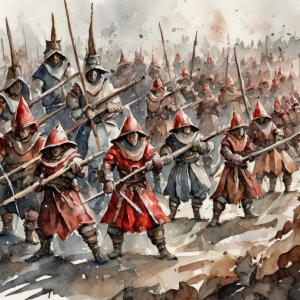
But I kept trying every other month or so. And magically I started getting a bit better at it, or maybe it got better (probably both). Around that time I decided to move on from my job. And suddenly it seemed like a good time to maybe finally make a sequel to Age of Rivals.
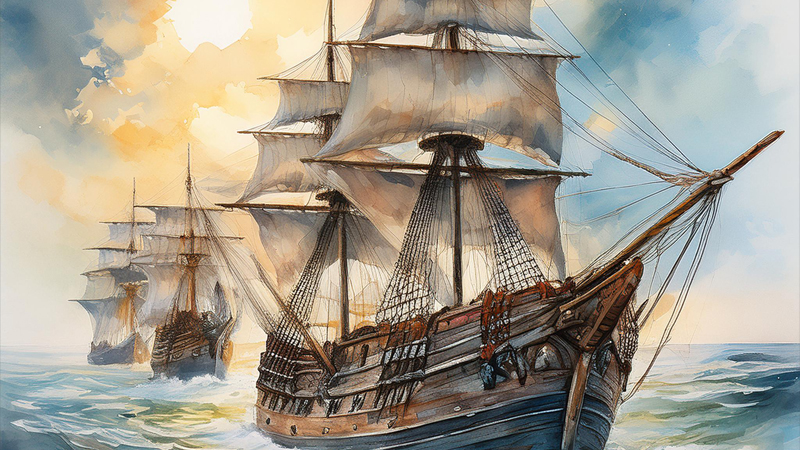
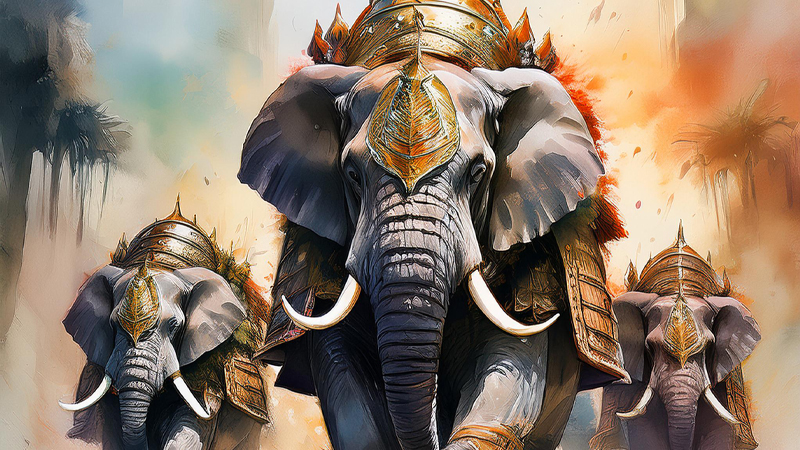
So I went through the painful process of using Firefly to create much of the art for Bannerlands. It is not as easy as people may think. I still had to spend a lot of time and effort to develop an art style that I liked and figure out how to do it consistently. I aimed for a sort of watercolor “messy on purpose” style that I found aesthetically pleasing. I wrote and rewrote prompts and discarded hundreds of generations. Even for the ones I kept, I had to do a fair bit of manual clean up relying on my own Photoshop skills. But at the end of the day it made an impossible task sort of possible.
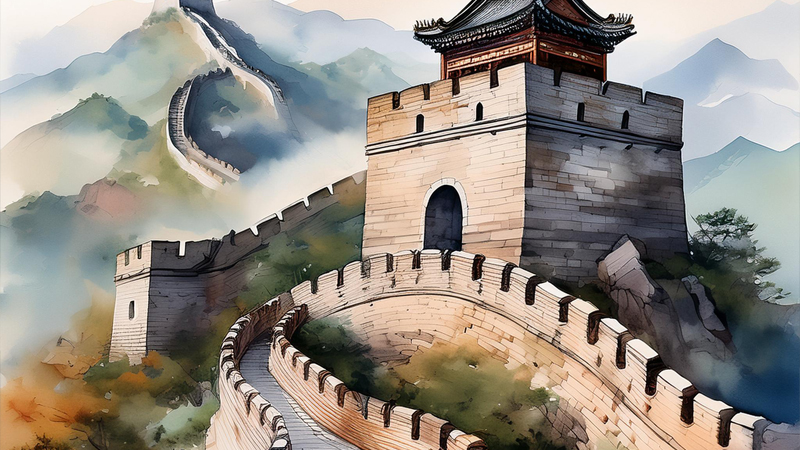
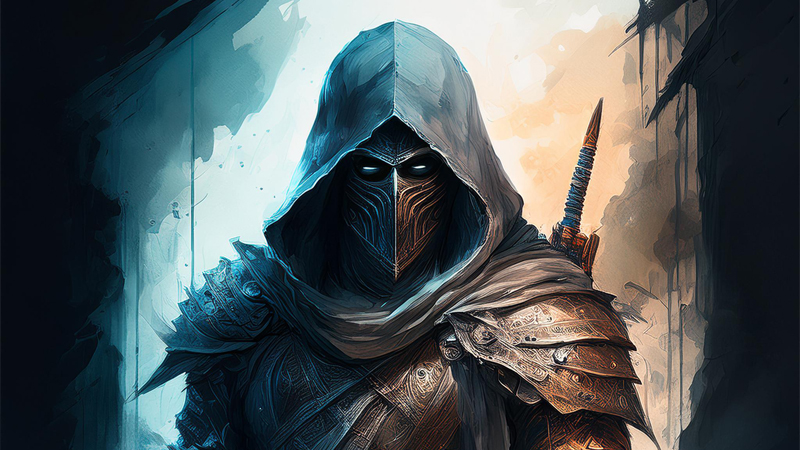

I know not everyone is going to be willing to take Adobe at their word. Everyone can do their own research there and decide for themselves.
I know it’s not going to be an art style everyone will love, and some people will absolutely hate it. The game may lose as many potential fans as it gains. But I already know the old way didn’t work, so this seems worth a shot. And at least every card will finally have unique art, which also benefits the gameplay (especially on a small mobile screen). In early play-testing, enough people seem to genuinely like it that there’s some hope.
But like the player who wrote to me above, I also worry that this issue may come to define the game or dominate the conversation around it. If so, all I can do is explain my choices and hope that people will give Bannerlands more of a chance than Age of Rivals got.
06/29/25 Update: let’s keep the debate going here so that it’s all in one place: https://steamcommunity.com/app/3495400/discussions/0/601906763100386393/
 Dark Inertia Studios - Bannerlands